EXCEL-BASED ENGINEERING AUTOMATION

Smart Engineering Design Software Built for Modern Professionals

Advanced Excel-based engineering software for Civil, Structural, Mechanical, Estimation, and Infrastructure professionals.

Sheetforge combines the familiarity of Microsoft Excel with powerful automation, design-code compliance, calculation reports, BOQ generation, BBS preparation, and DXF drawing output.

ENGINEERING DESIGN SOFTWARE

Engineering Design Made Faster, Smarter, and More Reliable

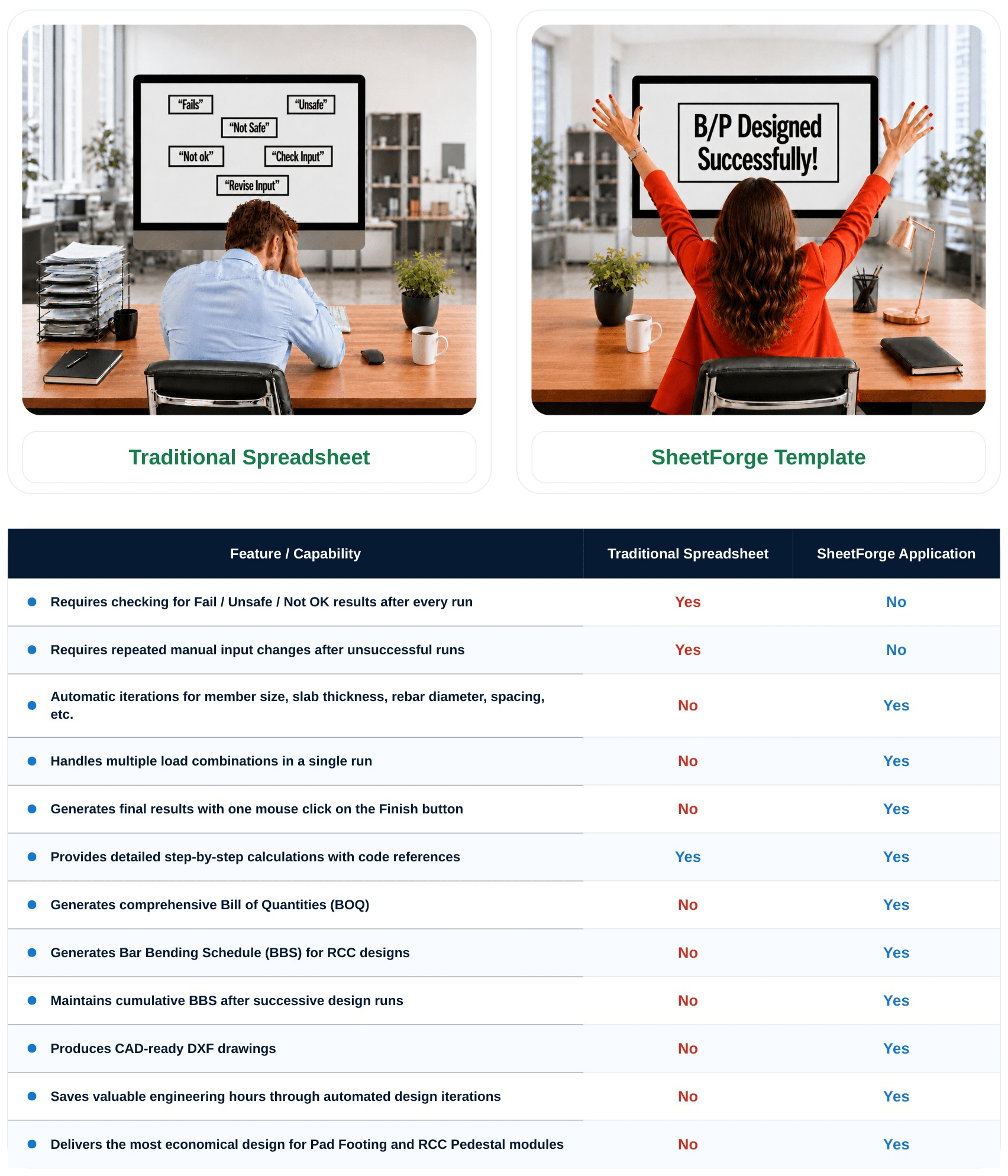
Engineering design often involves repetitive calculations, multiple load combinations, quantity take-offs, documentation, code checks, and drawing preparation.

Sheetforge applications are developed to simplify this workflow through automation and structured engineering logic.

  • Reduce repetitive manual calculations
  • Generate professional calculation reports
  • Create BOQ and Bar Bending Schedule automatically
  • Produce CAD-ready DXF outputs
  • Improve consistency and save engineering time
CORE FEATURES

Designed for Economy, Accuracy, Speed, Documentation & Automation

💰

Economy

Generate economical structural designs without unnecessary overdesign or excessive material usage.

📐

Accuracy

Structured calculations based on engineering principles and recognized design standards.

Speed

Process hundreds of load combinations and generate outputs within minutes.

📄

Documentation

Generate professional reports with formulas, checks, summaries, and references.

🤖

Automation

Minimize repeated manual work using intelligent engineering workflows.

🖥️

DXF Output

Create CAD-ready DXF drawings directly from engineering calculations.

INTELLIGENT ENGINEERING AUTOMATION

Intelligent Load Combination Handling

Modern structural design often requires handling multiple load combinations and support reactions.

Sheetforge applications are developed to efficiently manage several support joints and hundreds of load combinations in a single automated workflow.

Where applicable, software can support reaction imports from STAAD and ETABS including global-to-local axis transformation.

PRODUCT CATEGORIES

Powerful Applications for Modern Engineering Offices

Structural Design Applications

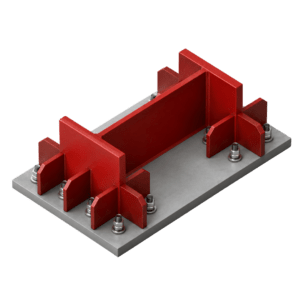
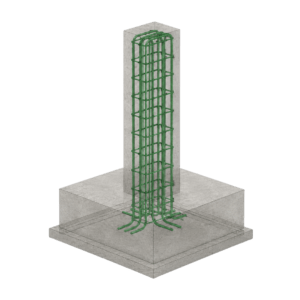
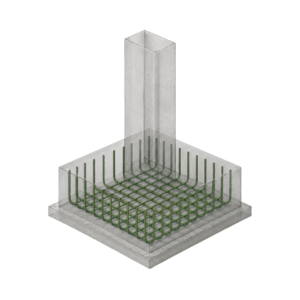
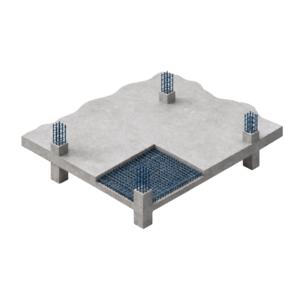
Automated design tools for foundations, pedestals, baseplates, and RCC components.

Estimation & Quantity Tools

BOQ generation, quantity take-offs, estimation sheets, and material summaries.

CAD/DXF Output Tools

Produce CAD-ready DXF drawings directly from engineering calculations.

Excel Automation Templates

Advanced Excel-based automation tools developed for practicing engineers.

SHOP PRODUCTS

SHEETFORGE Technologies Software
Testimonials

What design engineers, construction personnel, academics, research scholars, and engineering students are sharing regarding our software/templates.

Cost Effective

“It was only after I compared the results from your Spread Footing and Pedestal design software with those from other design tools that I fully embraced the concept of cost-effective engineering.”

Sundeep Reddy
CMD – Zeromile Warehousing Ltd.
User Friendly

“The Steel MTO application proves to be an excellent tool for any steel building project. It’s user-friendly, facilitates documentation, updates, and revisions effortlessly, and crucially, seamlessly transitions between estimators.”

K Karteek
Sr. Estimator – Freelancer
User Friendly

"Engaging in structural design with the software tools from sheetforgetech.com is truly enjoyable, particularly those tailored for baseplate, pedestal, and footing designs."

T. R. Kumar
Ph.D. Scholar – IIIT, Hyderabad
START DESIGNING SMARTER

Save Time. Improve Accuracy. Automate Engineering Workflows.

Sheetforge Technologies develops practical, economical, and engineer-focused design applications that help professionals generate reliable outputs faster.

Blog Posts

Learn in detail about best practices.
Blog Posts
May 25, 2026A “hit-and-trial” engineering design template typically involves a more manual and iterative approach to engineering design. This process is often characterized by a trial-and-error approach, where multiple iterations may be required to achieve the desired outcome. It involves a hands-on, sometimes intuitive process where adjustments are made based on immediate results and observations. In contrast, engineering software provides a more systematic and computerized approach to design. It often incorporates advanced algorithms, simulations, and modeling techniques. Engineering software allows for precise calculations, detailed analysis, and optimization based on mathematical models and simulations. [...] Read more...
May 25, 2026A standalone engineering design template offers several advantages over full-fledged software, particularly in specific contexts or for certain types of projects: Simplicity and Accessibility: Standalone templates are often simpler to use and require less technical expertise compared to complex engineering software. This accessibility allows engineers with varying levels of experience to quickly implement and iterate on designs. Cost Effectiveness: Templates are generally more cost-effective, especially for smaller projects or when budget constraints limit the use of expensive software licenses. They provide essential design functionalities without the overhead costs associated with comprehensive software packages. Customizability: Engineers can customize templates to suit specific project requirements or industry standards. This flexibility allows for tailoring designs without the need for extensive programming or customization efforts often required in full-fledged software. Speed of Implementation: Standalone templates often facilitate quicker implementation of design ideas, as they typically focus on specific design tasks without the complexity of comprehensive software features. This speed can be crucial for rapid prototyping or when quick design iterations are necessary. Offline Capability: In situations where internet access or connectivity is limited or unreliable, standalone templates offer the advantage of offline usability, ensuring continuity of work without dependency on external servers or cloud-based solutions. These benefits make standalone engineering design templates a practical choice for certain applications where simplicity, cost efficiency, and customization are prioritized over the extensive capabilities of full-fledged engineering software. [...] Read more...
May 25, 2026Yes, a fully automated engineering design template is possible and increasingly feasible with advancements in artificial intelligence (AI) and machine learning (ML). Such templates leverage algorithms to automate the entire design process, from initial concept generation to detailed optimization and validation. Key components of a fully automated design template include: AI-Driven Concept Generation: Algorithms can generate and evaluate numerous design concepts based on input criteria and constraints, surpassing human capabilities in exploring a vast design space. Optimization Algorithms: ML algorithms can optimize designs iteratively, improving performance metrics such as efficiency, cost-effectiveness, or reliability based on real-time feedback. Simulation and Validation: Automated templates can simulate and validate designs using virtual testing environments, predicting real-world performance and behavior accurately. Iterative Learning: By learning from previous designs and outcomes, automated templates continuously improve and refine their design processes. While challenges such as complexity, integration with existing systems, and ensuring reliability remain, ongoing research and development are pushing the boundaries of what fully automated engineering design templates can achieve, promising significant efficiency gains and innovative solutions across industries. [...] Read more...